

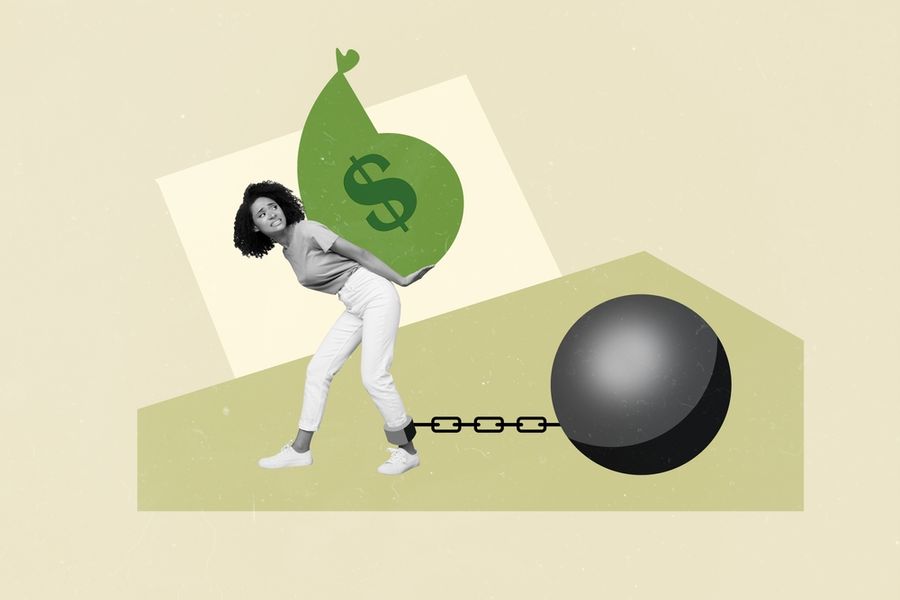
Not all debt carries the same weight, even though it may feel similar when payments are due each month. Some types of borrowing can support long-term goals, while others may create financial strain without lasting value. Understanding the difference can help shape smarter decisions and reduce unnecessary costs over time. With a clearer perspective, debt can be managed more intentionally, allowing it to serve a purpose rather than become a burden.
What Defines Good Debt
Good debt is generally tied to something that may provide long-term value or help improve financial stability. It often supports goals such as education, homeownership, or starting a business. In many cases, the expectation is that the benefit gained will outweigh the cost of borrowing over time.
For example, a mortgage allows someone to build equity in a home, while student loans may lead to higher earning potential. Interest rates on good debt are often lower compared to other types of borrowing. While no debt is completely risk-free, good debt tends to align with growth, opportunity, and long-term financial progress.
Common Examples of Good Debt
Some of the most widely recognized forms of good debt include mortgages, student loans, and certain business loans. A mortgage can help build ownership in a property, which may increase in value over time. Student loans can provide access to education that may lead to better career opportunities and income potential.
Business loans may also fall into this category when used to generate income or expand operations. In some cases, refinancing or consolidating existing debt into a lower-interest option can also be considered beneficial. The common thread is that the borrowed money supports a purpose that may improve financial well-being in the future.
What Defines Bad Debt
Bad debt is typically associated with high costs and limited long-term value. It often involves borrowing for purchases that don’t appreciate or contribute to financial growth. High interest rates can make repayment more expensive, especially when balances are carried over time.
Examples often include credit card balances that aren’t paid in full, payday loans, or borrowing for discretionary spending like vacations or luxury items. While some purchases may feel necessary in the moment, the long-term cost can outweigh the benefit. Bad debt can lead to ongoing financial pressure and may make it harder to reach other goals.
Common Examples of Bad Debt
Credit card debt is one of the most common forms of bad debt when balances are carried month to month. Interest rates are often higher than those of other types of loans, which can make repayment more costly over time. Small purchases can grow into larger balances if not managed carefully.
Other examples include high-interest personal loans, payday loans, or financing nonessential items. Borrowing for items that lose value quickly, such as certain electronics or luxury goods, may also fall into this category. The key concern is that the cost of borrowing outweighs any lasting benefit, making it harder to build financial stability.
When Debt Falls Into a Gray Area
Not all debt fits neatly into good or bad categories. Some types fall somewhere in between, depending on how they are used and managed. For example, a car loan may be necessary for transportation, especially if it supports work or daily responsibilities. However, borrowing more than necessary or choosing unfavorable terms can shift that debt toward the negative side.
Credit cards can also fall into a gray area. When balances are paid in full each month, they can be a useful tool without added cost. However, carrying a balance with high interest may turn them into a financial burden. The context and usage often determine how debt is classified.
How to Avoid Taking on Bad Debt
Avoiding bad debt often starts with careful planning and thoughtful spending. Creating a budget can help identify where money is going and reduce the need to rely on borrowing for everyday expenses. Setting limits and prioritizing needs over wants can prevent unnecessary debt from building.
Building an emergency fund can also reduce reliance on high-interest loans during unexpected situations. Improving credit can lead to better loan terms, which lower borrowing costs when debt is necessary. Making informed decisions before taking on new debt can help maintain financial balance and reduce long-term stress.
Finding Balance in Borrowing Decisions
Understanding the difference between good and bad debt can lead to more confident financial choices. Borrowing isn’t always harmful, but it works best when tied to clear goals and manageable terms. Evaluating the purpose, cost, and long-term impact of each decision can help guide responsible use.
Maintaining balance is key to keeping debt from becoming overwhelming. With careful planning and consistent habits, borrowing can support progress rather than create setbacks. Over time, thoughtful decisions can lead to greater financial stability and a stronger sense of control.