

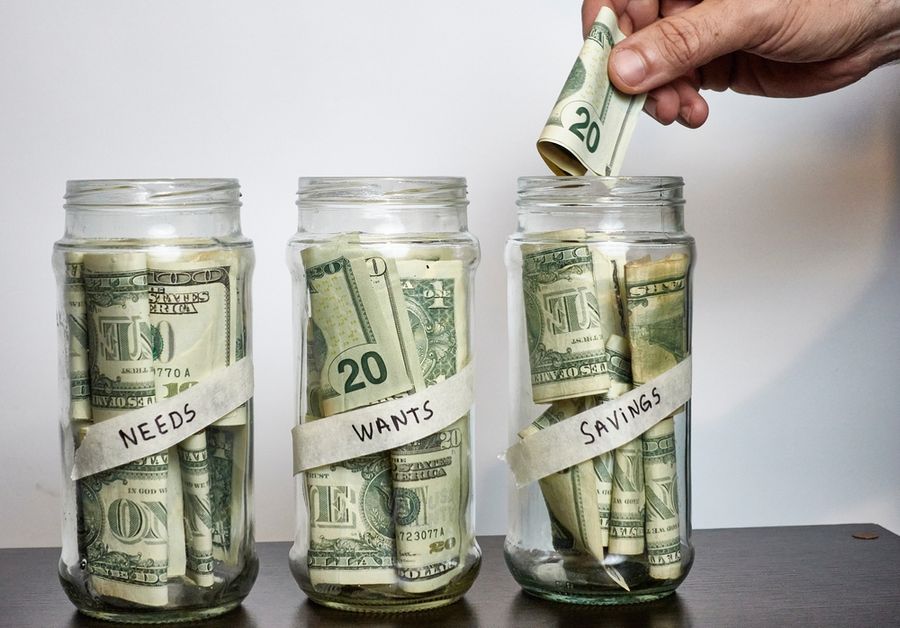
Balancing everyday expenses with long-term goals can feel challenging without a clear system in place. A simple framework can make decisions easier and reduce the stress of figuring out where money should go each month. The 50/30/20 budget rule offers a straightforward way to divide income into key categories, helping create structure without overcomplicating the process. With a flexible approach, it can support both essential needs and personal priorities while encouraging consistent saving habits.
What the 50/30/20 Rule Means
The 50/30/20 rule is a budgeting method that divides after-tax income into three main categories. It suggests allocating 50 percent toward needs, 30 percent toward wants, and 20 percent toward savings and debt repayment.
Rather than tracking every small expense in detail, the focus is on broad categories. That simplicity makes it easier to follow and maintain over time. The goal is to create balance between covering essential costs, enjoying some discretionary spending, and setting aside money for the future. It’s a flexible guideline rather than a strict rule.
Understanding the 50 Percent for Needs
Needs represent essential expenses that are necessary for daily living. Common examples include housing, utilities, groceries, transportation, insurance, and minimum debt payments. Those costs typically make up the largest portion of most budgets.
Keeping needs within about half of take-home income can help maintain financial stability. If essential expenses exceed that percentage, it may be worth reviewing areas where adjustments are possible. While not all costs can be reduced easily, even small changes can help create more balance and leave room for other priorities.
Breaking Down the 30 Percent for Wants
Wants cover nonessential spending that adds comfort or enjoyment to everyday life. Dining out, entertainment, subscriptions, hobbies, and travel often fall into this category. While not required, those expenses can improve quality of life when managed carefully.
Allocating around 30 percent allows for flexibility without overspending. It also helps prevent feelings of restriction that can make budgeting difficult to maintain. Adjusting spending within this category can be one of the easiest ways to free up extra money when financial priorities shift.
Using the 20 Percent for Savings and Debt
The remaining 20 percent is typically reserved for saving and paying down debt. That can include building an emergency fund, contributing to retirement accounts, or making extra payments toward loans.
Focusing on savings and debt reduction helps create long-term financial security. Even if reaching 20 percent feels challenging at first, starting with a smaller amount can still make a difference. Consistent contributions over time can help build momentum and support future goals.
How to Apply the Rule to Your Income
Applying the 50/30/20 rule starts with calculating after-tax income. Once that number is clear, dividing it into the three categories can help create a simple spending plan. Reviewing past bank or credit card statements can help estimate current spending in each category.
Comparing actual spending to the suggested percentages can reveal areas where adjustments may be helpful. If one category is higher than expected, shifting spending gradually can help bring things into balance. The goal is to create a plan that feels realistic and easy to maintain.
Adjusting the Rule to Fit Your Situation
While the 50/30/20 rule offers a helpful structure, it may not fit every situation perfectly. High living costs, varying income, or specific financial goals may require adjustments to the percentages. Flexibility allows the method to remain useful even when circumstances change.
For example, someone focused on paying down debt may choose to allocate more than 20 percent toward that goal. Others may need to spend more on essential expenses due to housing or childcare costs. Adapting the rule to match personal needs can help make it more practical and sustainable.
A Simple Framework for Better Money Balance
The 50/30/20 budget rule offers a clear and approachable way to organize finances without adding unnecessary complexity. By dividing income into needs, wants, and savings, it creates a structure that supports both daily life and future planning. That balance can make financial decisions feel more manageable.
Over time, consistent use of a simple framework can lead to better habits and greater confidence. Small adjustments along the way can help keep everything aligned with changing goals. With a flexible mindset, the 50/30/20 rule can serve as a helpful guide for building long-term financial stability.